“No one should have to carry this much alone in helping their loved ones thrive at home.”
My Story

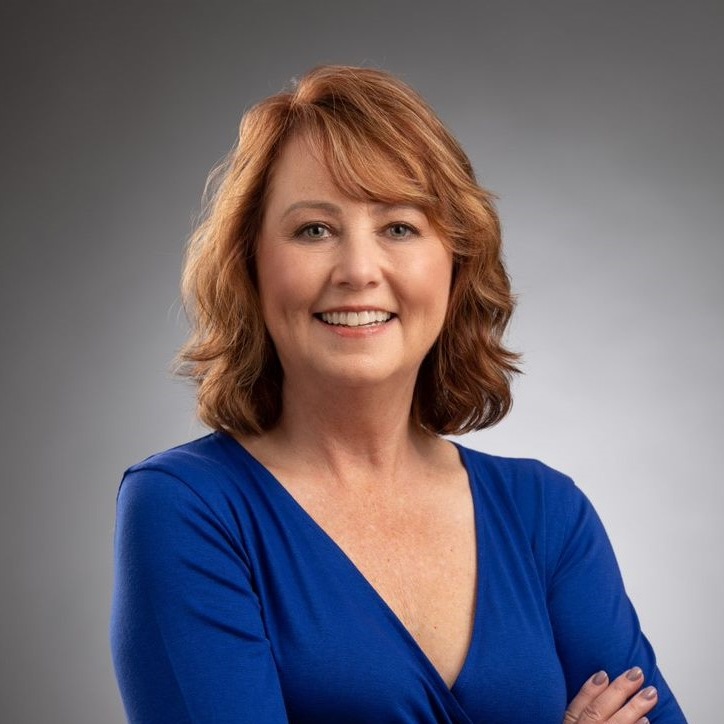
I never planned on becoming a caregiver, but I ended up being one twice. First for my husband, through the eighteen months of cancer treatment before he passed away. Then for my mom, whose care I managed for the last ten years of her life.
With my husband, caregiving meant doctor’s appointments, chemo and radiation, long hospital stays, medication questions, insurance paperwork, and trying to understand what was happening while staying steady for him. Even the help from friends and family had to be managed: more calls, more updates, more decisions, some of them at night, when I was already too tired to explain the day all over again.
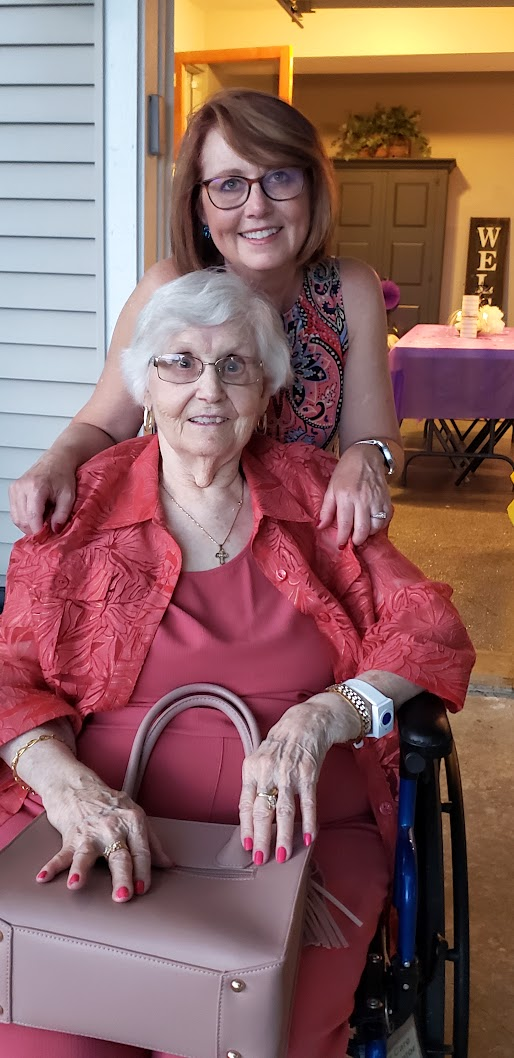
My mom had Progressive Supranuclear Palsy and dementia, used a wheelchair, and her one wish was simple: to stay home. We made that happen, but it took countless hours, home health care, and helping hands I had to find and coordinate myself, with my only sister living far away.
Being the primary caregiver is hard, especially when the people around you cannot see all the little things it takes to keep someone safe, comfortable, and loved. I used to think of it as constantly changing hats. The insurance hat, the medical hat, the wife hat, the daughter hat, the caregiver hat, and somewhere underneath all of it, still trying to be myself and not let my own health and well being slide to the bottom of the list.
No one should have to carry this much alone in helping their loved ones thrive at home. That’s why we built Loved.
Articles by Lori
View all articles
Depression in Older Adults: Signs Families Often Miss
Learn the hidden signs of depression in older adults, how it differs from normal aging and dementia, and how to help an aging parent get support.
Read article
How to Talk to a Parent With Dementia: Conversation Tips That Preserve Connection
Learn how to talk to a parent with dementia using validation therapy, conversation starters, and tips for repetitive questions, delusions, and agitation.
Read article
Phone Scams Targeting Seniors: How to Protect Your Parent Without Taking Over
Learn the warning signs of phone scams targeting seniors and how to protect your parent’s finances without taking away their independence.
Read article